Premium-Quality IEEE 1580 Type P Power, Control & Instrumentation Cables
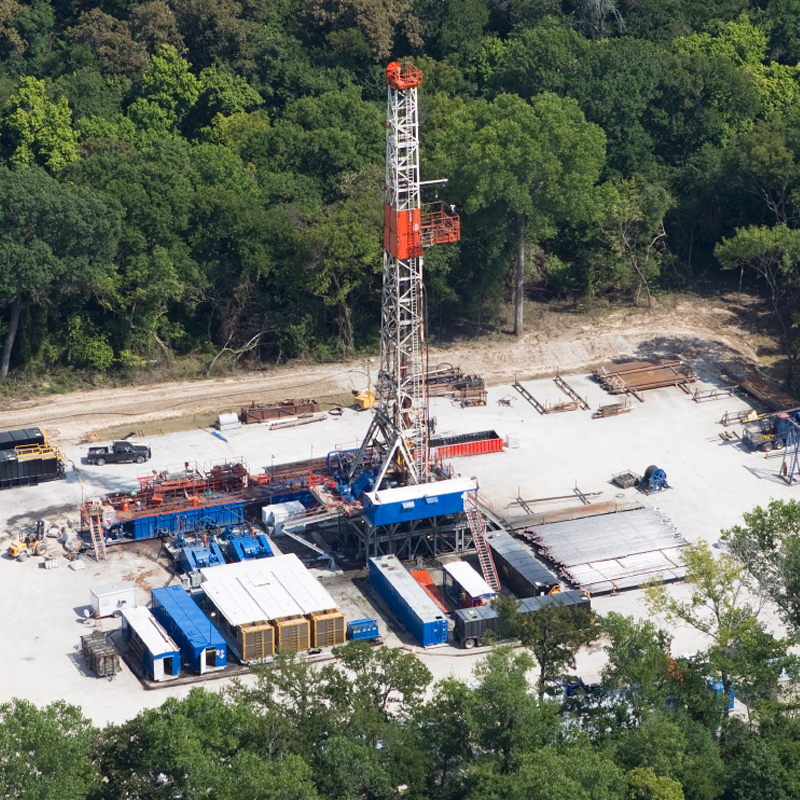
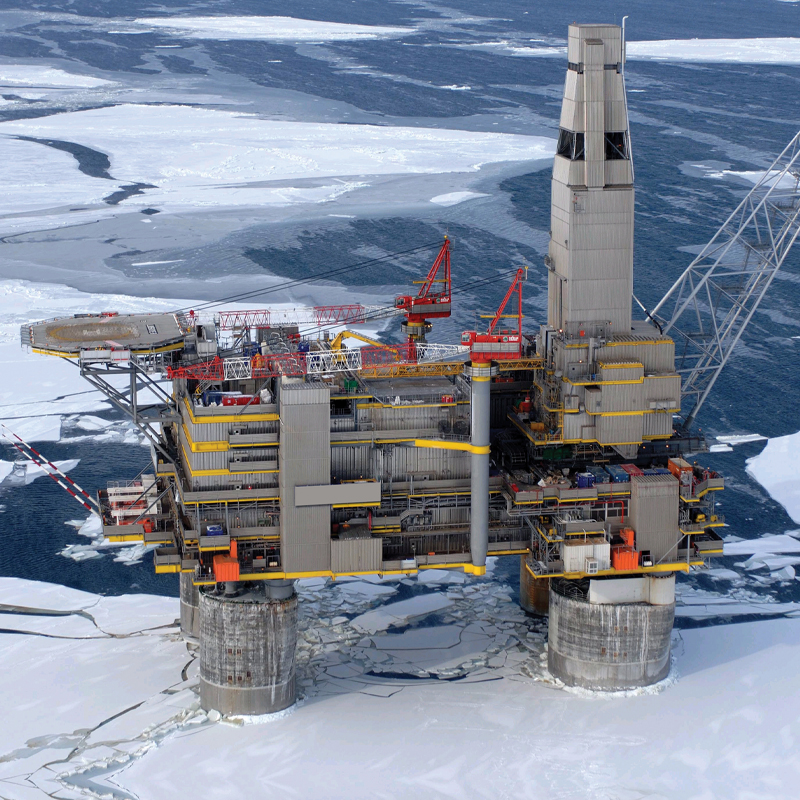
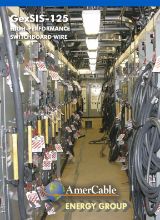
For Offshore or land-based operations, GEXOL® Energy Cables are the industry’s standard for premium power, control and instrumentation performance. GEXOL energy cables prove their value daily in the punishing conditions of land and offshore energy production operations around the world.
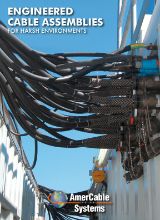
Harsh environments challenge cable construction with relentless heat, vibration, corrosion, drilling mud exposure and mechanical stress. Reliability is key factor for remote, isolated sites, because in today’s energy markets productivity is the key to profitability.
You can depend on GEXOL Energy cables for reliable, consistent performance.
Jex-all. Our amazing, proprietary cross-linked polyolefin insulating material was originally developed by General Electric – General Electric X-linked OLefin. To see the full history of GEXOL, click here.
When was GEXOL created?
GEXOL was created in the 1950s by General Electric (GE) Wire & Cable for use on their new generation of diesel-electric locomotives.
What was GEXOL originally designed to do?
Withstand high (+125°F) and low (-40°C) temperatures
Resist various oils and chemicals within the locomotive generator compartment
Maintain flexibility when traction motors are removed for servicing
High-powered locomotives presented a challenging operating environment for power cables. GE needed, a high-performing cable insulation material to withstand the vibration, broad temperature ranges and constant exposure to oil and other chemicals in traction motor compartment.
How did GEXOL become an oil and gas cable insulating material?
In mid-1970, the upstream drilling industry began utilizing Silicon Controlled Rectifier (SCR) drives for power generation with the same type of traction motors used in locomotives. GEXOL-XR Drilling Rig Cable was created by GE Wire & Cable to handle the severe mechanical stress, oil exposure and flexibility requirements of upstream drilling applications.
What happened to GE Wire & Cable?
GE Wire & Cable, with facilities in Bridgeport, Connecticut and Fort Wayne, Indiana, was a core component of General Electric’s industrial empire for most of the 20th century, but corporate divestiture, restructuring and realignment drove the decision to shutter the operation. The company did not close all at once. Instead, it wound down operations, closed its manufacturing facilities and divested its product lines and intellectual property during the early 1980s. Union Carbide purchased the GEXOL compound formula.
Does Union Carbide own GEXOL’s formula?
No, but they are part of the product’s history. Union Carbide purchased GEXOLL from GE Wire & Cable in the mid-1980s. In 1987, AmerCable entered into a licensing agreement with UC to produce GEXOL for use in drilling and transit industry cable products. In the 1990s, AmerCable purchased all rights, patents and formulas for GEXOL from Union Carbide.
Is GEXOL only used on offshore cables?
No. GEXOL is used for a variety of applications in the oil and gas industry – offshore & land upstream or downstream – where flexible, extremely durable cables are required for harsh-environment duty.
What are GEXOL’s core features?
Drilling mud resistant
Oil resistant
Severe cold durability
Flame retardant
Highest ampacity ratings
Extremely flexible
Outstanding di-electric properties
Has the original GEXOL forumla changed?
As equipment and markets change, AmerCable’s chemists have continually tweaked or expanded the original formula into new product lines for oil and gas upstream and downstream use, general industrial and rail transportation applications. New GEXOL cable formulations include:
Fire-resistant
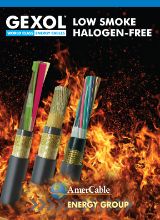
Halogen-free
Drilling mud resistant
Crush and Impact Resistant (CIR) without external armoring